Brooding Over Revolution and Bending Realities: Sci Fi as Social Movement. A Review of Octavia's Brood: Science Fiction Stories from Social Justice Movements (2015, AK Press/IAS) and Sisters of the Revolution: A Feminist Speculative Fiction Anthology (2015, PM Press), by Kim Smith

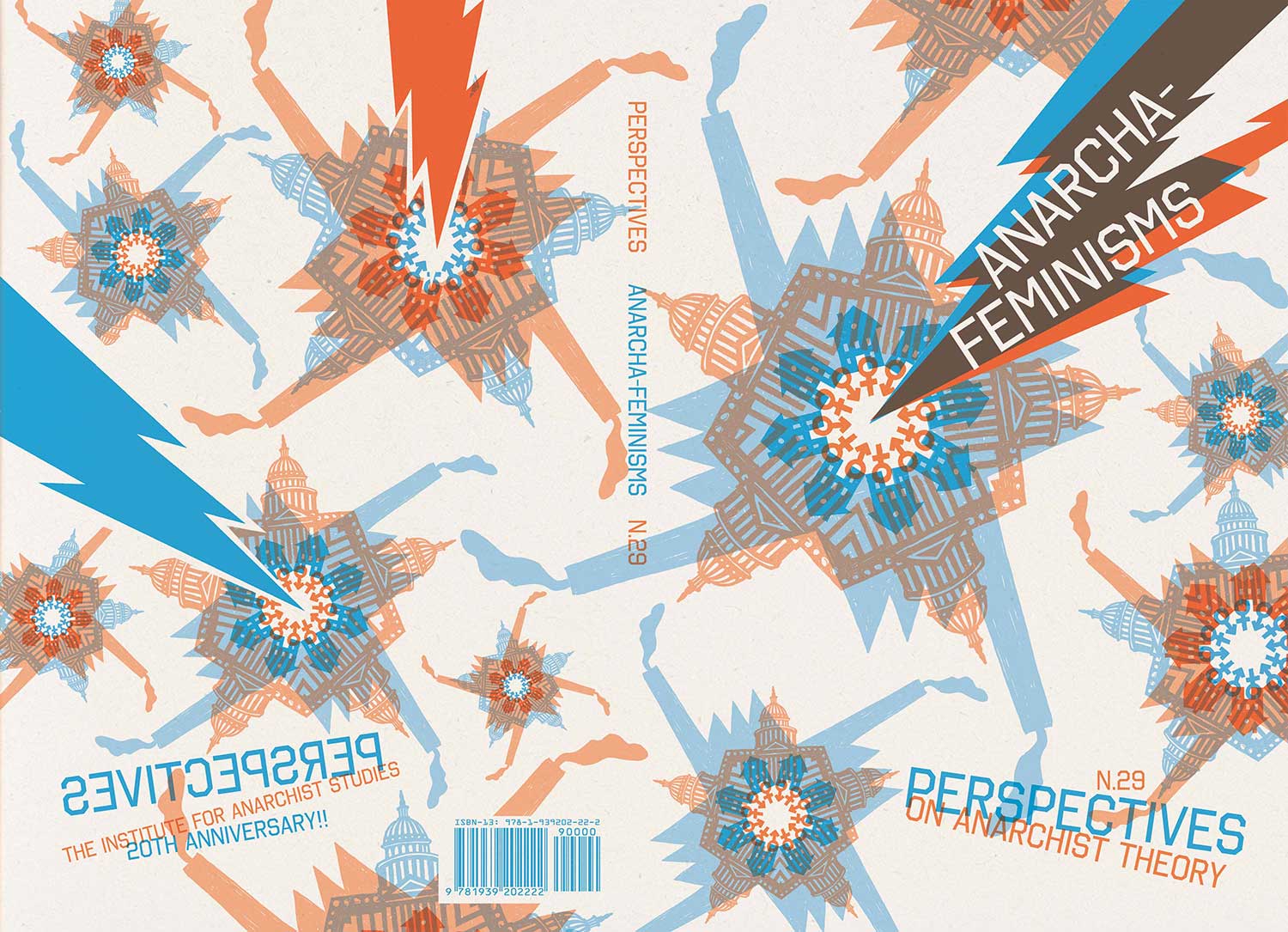
This book review appears in the current issue of Perspectives on Anarchist Theory (N. 29, on anarcha-feminisms) available here, from AK Press.
Too often I find myself giving into the urgency of organizing, of how this struggle now takes priority over pausing, imagining, reorganizing, reorienting, creating and recreating new worlds, new ways of relating. Of course organizers everywhere are also, everyday, creating many other worlds within this one, but too often it feels as though what takes center-stage in our struggles are the analyses, critiques, and (of course) the too many, too long meetings that stand in for building something different. Spaces for risky, non-utilitarian creativity and inspiration are too often sidelined as inessential. Maybe the appearance of two sci fi books (both from radical presses whose mainstays are political non-fiction) suggests that sci fi is resurfacing as a relevant touchstone for contemporary political movements, signaling perhaps a bit more recognition of creative expression in explicitly political spaces. What exactly is the connection between sci-fi and radical movements and organizing? This question (and some ideas about how to answer it) emerged for me while reading these two humbling anthologies, which I’ll get to in a moment, but first, a little more about these books.

octavias-brood-image
While Octavia’s Brood (2015, AK Press/IAS) and Sisters of the Revolution (2015, PM Press) appear initially as similar offerings from similar presses, their differences are quite profound. While both are compilations of overtly politically-engaged sci fi, the only near-overlap of content is that Sisters of the Revolution includes a brilliant story (one of the strongest in the collection) from the other book’s namesake, Octavia Butler. Beyond this, they both specifically include writers ‘on the margins’ of mainstream science fiction; in this way, many of the stories in each could be included in the other. The likening of one to the other is otherwise quite superficial, however, as the spirits that animate each anthology as a whole are clearly very different. Sisters is an historical compilation of pieces identified as “feminist speculative fiction” by its editors, Ann and Jeff VanderMeer, and seeks to bolster a feminist archive of science fiction, whereas Brood is “visionary fiction,” highly cultural production emerging from and meant to feedback into contemporary social justice struggles. Taken each as collections, they each task science fiction with a different function in contemporary politics, and in doing so fill very different niches, and leave the reader with different orientations towards social change and how it happens.

Read more

IAS 20th Anniversary Wish List

It’s our birthday!  Want to give us a present?
If you have any of these things lying around,
here are some things we could use:

  • external hard drive
  • capable tablet, netbook or laptop- new or used
  • projector
  • phone cards
  • FedEx or Kinko’s cards
  • frequent flyer miles
  • filing totes
  • postage

We always appreciate your monetary donations. We are now a 501c3 so your donations are tax deductible. Make a monthly or one-time donation here.
Thank you!
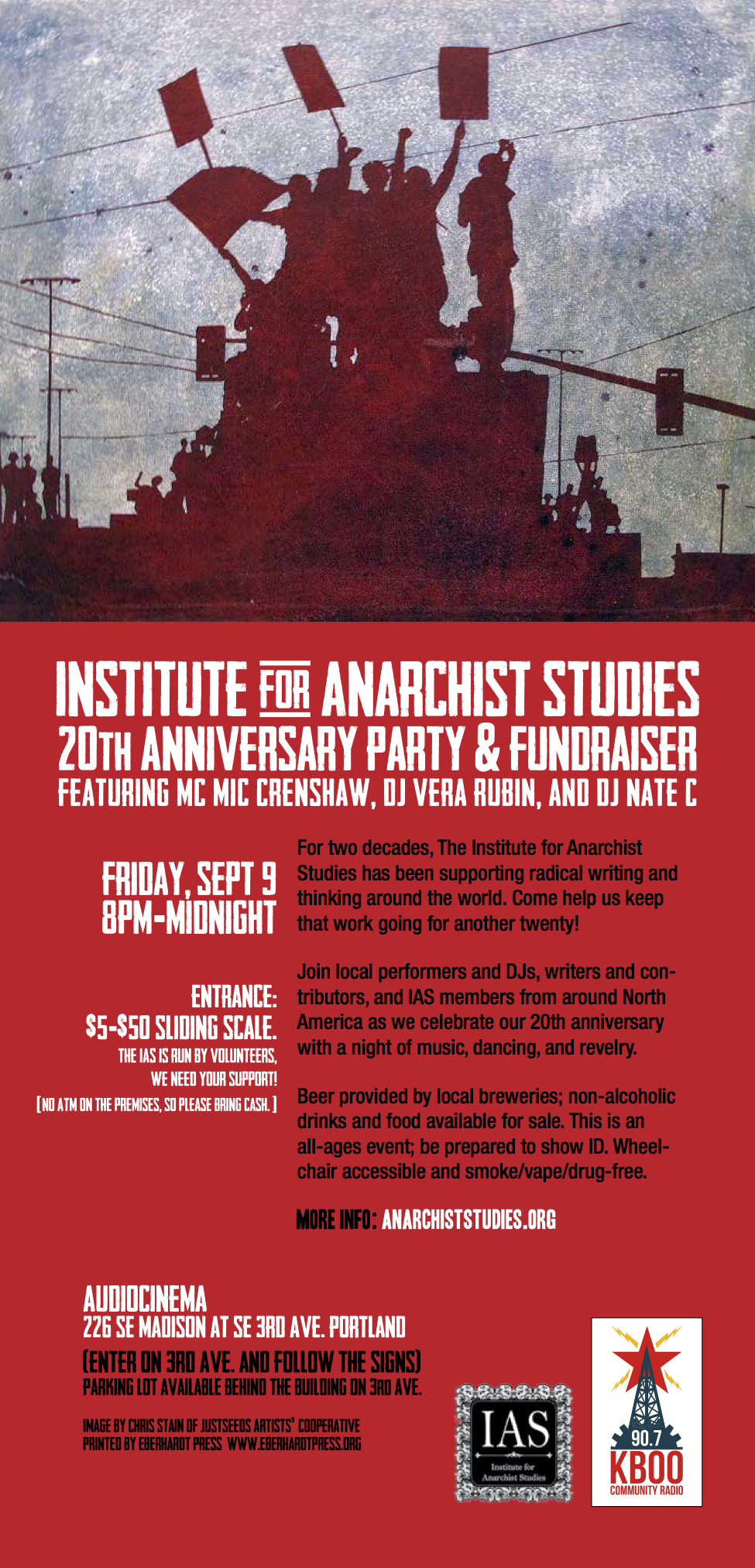
And if you’re in the Portland, OR area on September 9, please come celebrate with us! Info about our exciting anniversary party is here.

Read more

Perspectives' Anarcha-Feminisms Issue Reviewed, by Michelle Renee Matisons

Michelle Renee Matisons reviews the latest issue of Perspectives on Anarchist Theory, N. 29, on the theme of anarcha-feminisms, in Counterpunch. She says, “Enter Perspectives, which should be read as part of the ongoing effort to expand anarcha-feminist ideas. True to form for the IAS, the issue offers a thoughtful cross-section of history and theory engaged in anarchist and popular movements: education, prisons, labor, health care, ecology, and Indigenous resistance are all included in Perspectives. In and of itself, given the challenging conditions of the academic/movement rift, Perspectives is valuable because it is grounded in nuts and bolts movement work, while also drawing from relevant academic resources as well.”Persp29_process07

Read more

Behind Design: Perspectives, N. 29

This is an excerpt of a piece Josh MacPhee wrote for the Justseeds Artists’ Cooperative blog “Behind Design.” In it he describes the thought and work that went into the current cover art for Perspectives on Anarchist Theory.
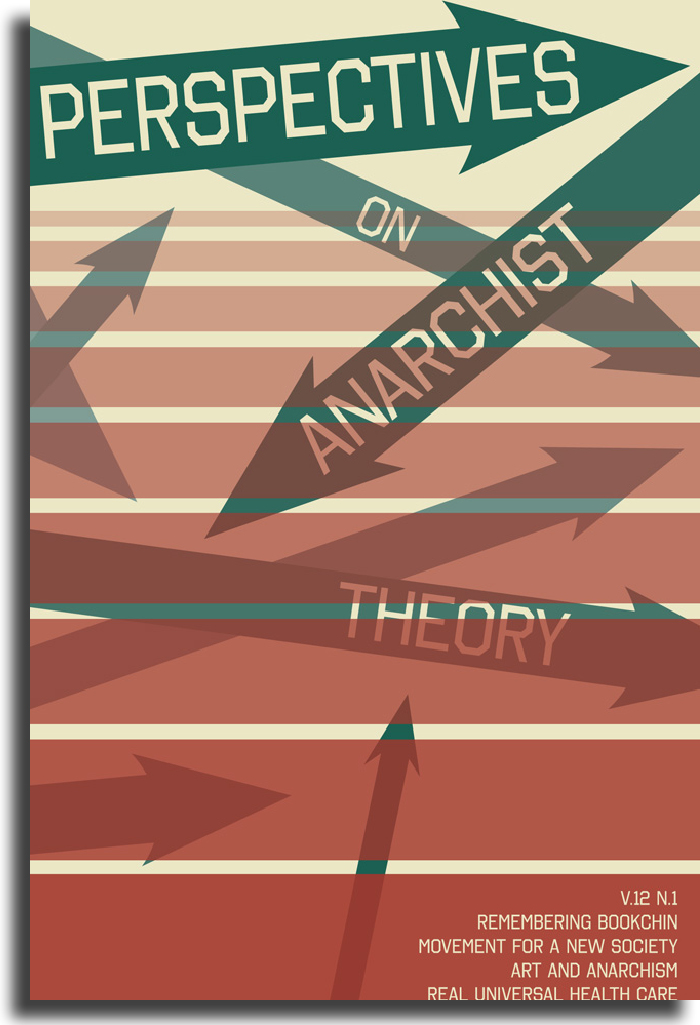
I wanna show what went into the creation of the cover design for the new issue of Perspectives on Anarchist Theory, which went on sale in the Justseeds store this week. Perspectives started out a simple 4-8 page newsletter for the Institute for Anarchist Studies (IAS) almost twenty years ago. Twelve years ago it merged with the publication The New Formulation: An Anti-Authoritarian Review of Books to become a traditional magazine-sized (8.5″ x 11″) publication, running 48-60 pages per issue. This format stuck for a couple years, then their were multiple single-issue attempts to convert it into a journal-sized format. I joined the board of directors of the IAS in 2009, and it was decided to relaunch it once again as a journal, but this time to have an editorial board that was connected to, but not the same as, the board of directors of the IAS. I took over design duties, and Perspectives v.12 n.1 was the first issue I did the cover for. It quickly sold out, and it was decided that this was the format we were going to stick with.

perspectives_v12n1-shadow-large
The first issue of Perspectives created by the current collective (2010)

Read more

Taking Sides on Taking Sides: A Response to Arun Gupta’s Review of Taking Sides: Revolutionary Solidarity and the Poverty of Liberalism (AK Press, 2015), by Michael Staudenmaier

Here is a response to Arun Gupta’s review of Taking Sides. It is written by Michael Staudenmaier, author of Truth and Revolution: A History of the Sojourner Truth Organization, 1969–1986 (AK Press, 2012). Michael wrote an original essay, “Brave Motherfuckers: Reflections on Past Struggles to Abolish White Supremacy” that opens and introduces Taking Sides: Revolutionary Solidarity and the Poverty of Liberalism (AK Press, 2015). This is the type of discussion we were hoping would be generated by Arun Gupta’s review. We encourage you to continue the discussion in the comments section. Perspectives Eds.
 
Early on in Arun Gupta’s review of Taking Sides, “A War of All Against All,” which appeared here in Perspectives, he writes, “The exact purpose of the book is hard to glean, other than gushing white-hot rage.” Replace “book” with “review” and you have an apt description of his essay. It is clear that Taking Sides made Gupta angry, but it is not at all clear why. Nor does he offer much of an alternative framing for a set of issues he acknowledges are important.
taking_sides_04

Read more